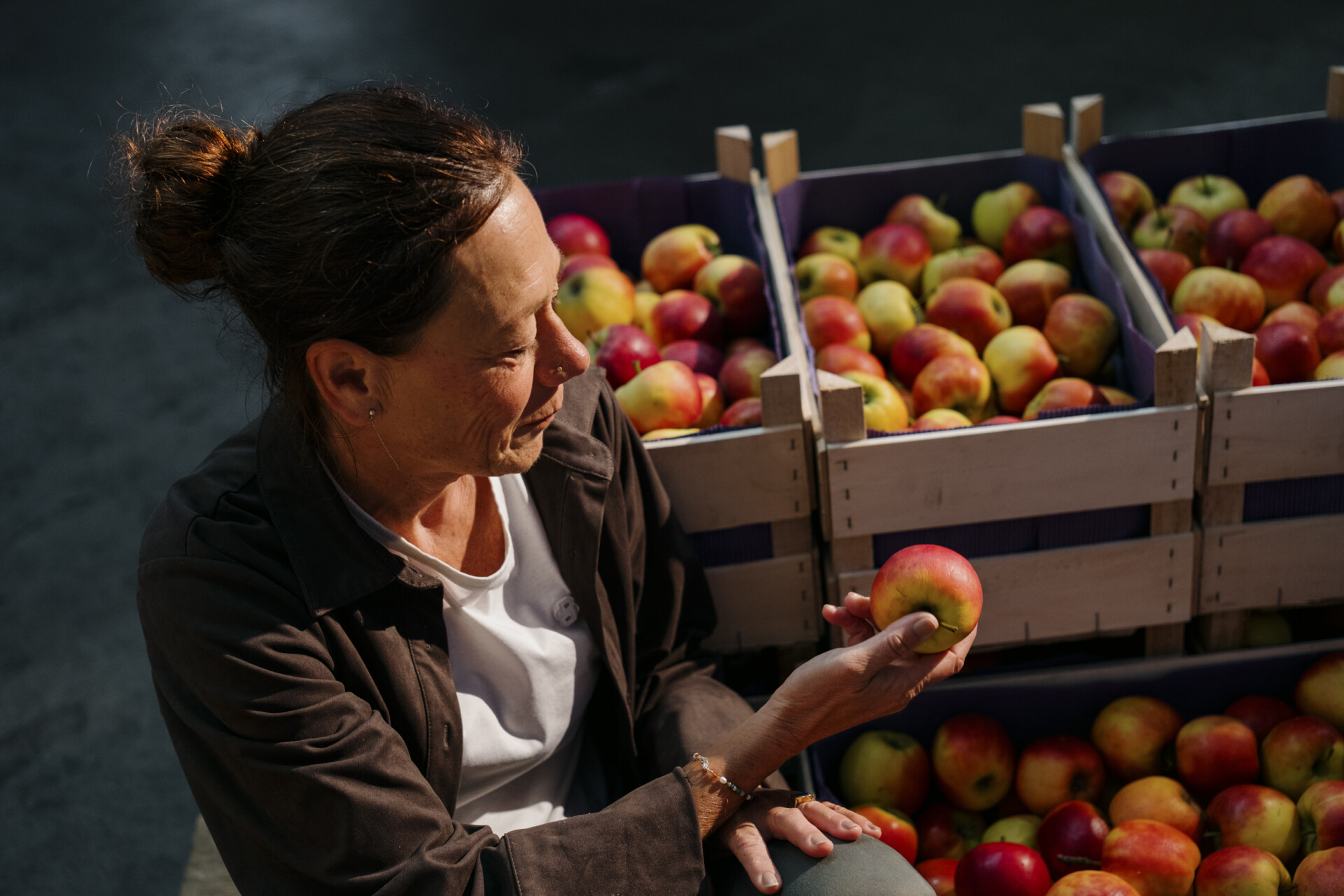
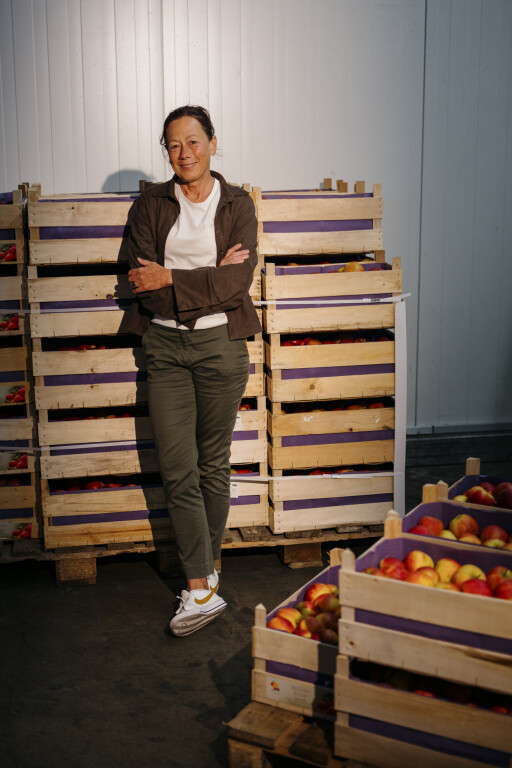
Ursula Schockemöhle is responsible for harvest forecasting at Prognosfruit.
Foto Credits by Franziska Gilli
For growers, marketers, and traders, Prognosfruit signals the start of the new season every year. Senior product manager Ursula Schockemöhle explains what lies behind Europe’s leading crop forecast and how consumers and climate change are putting these predictions to the test.
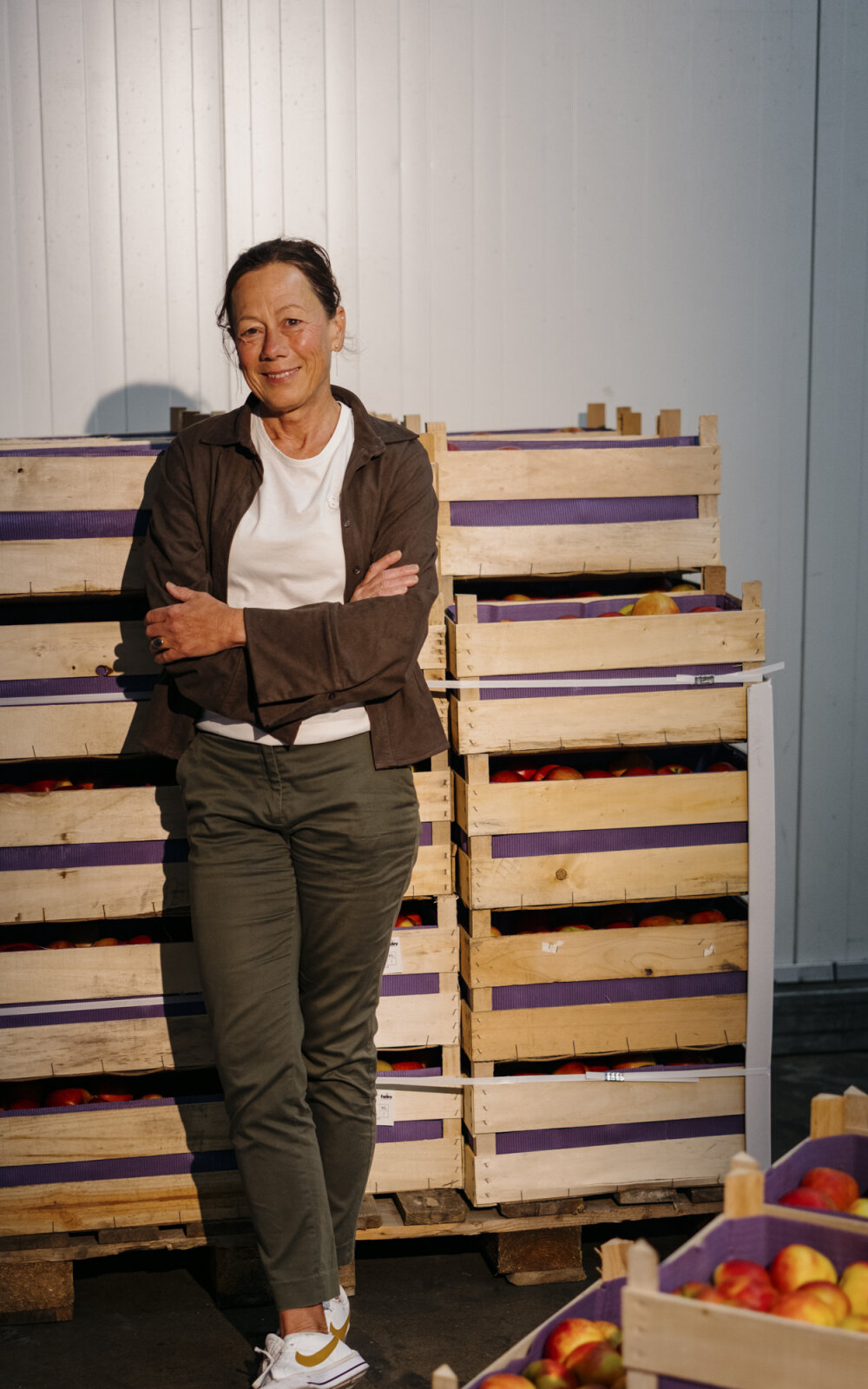
Ursula Schockemöhle is responsible for harvest forecasting at Prognosfruit.
The fascinating thing about this role is that the market never repeats itself – no two seasons are ever quite the same, even when conditions seem similar.
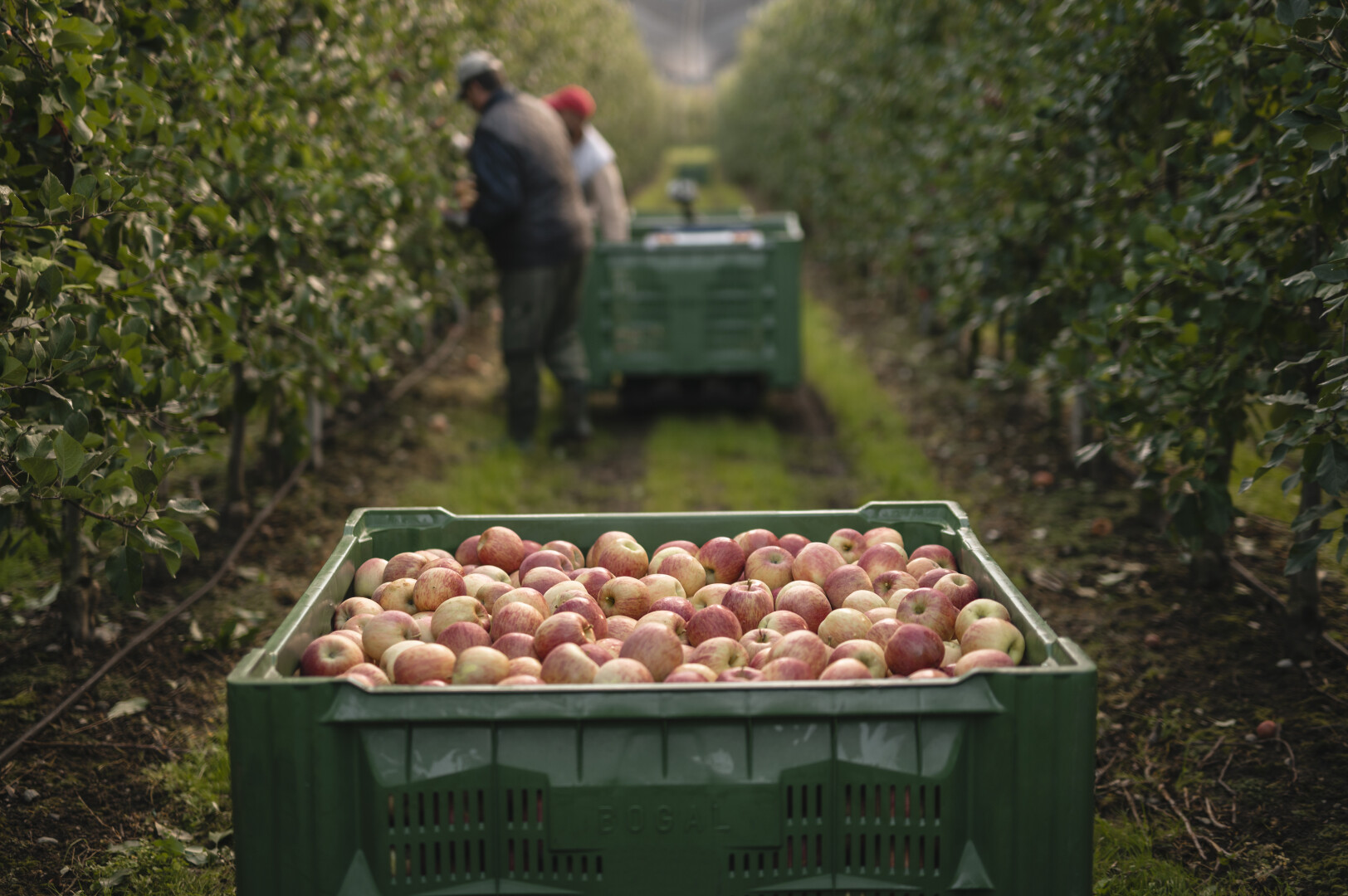
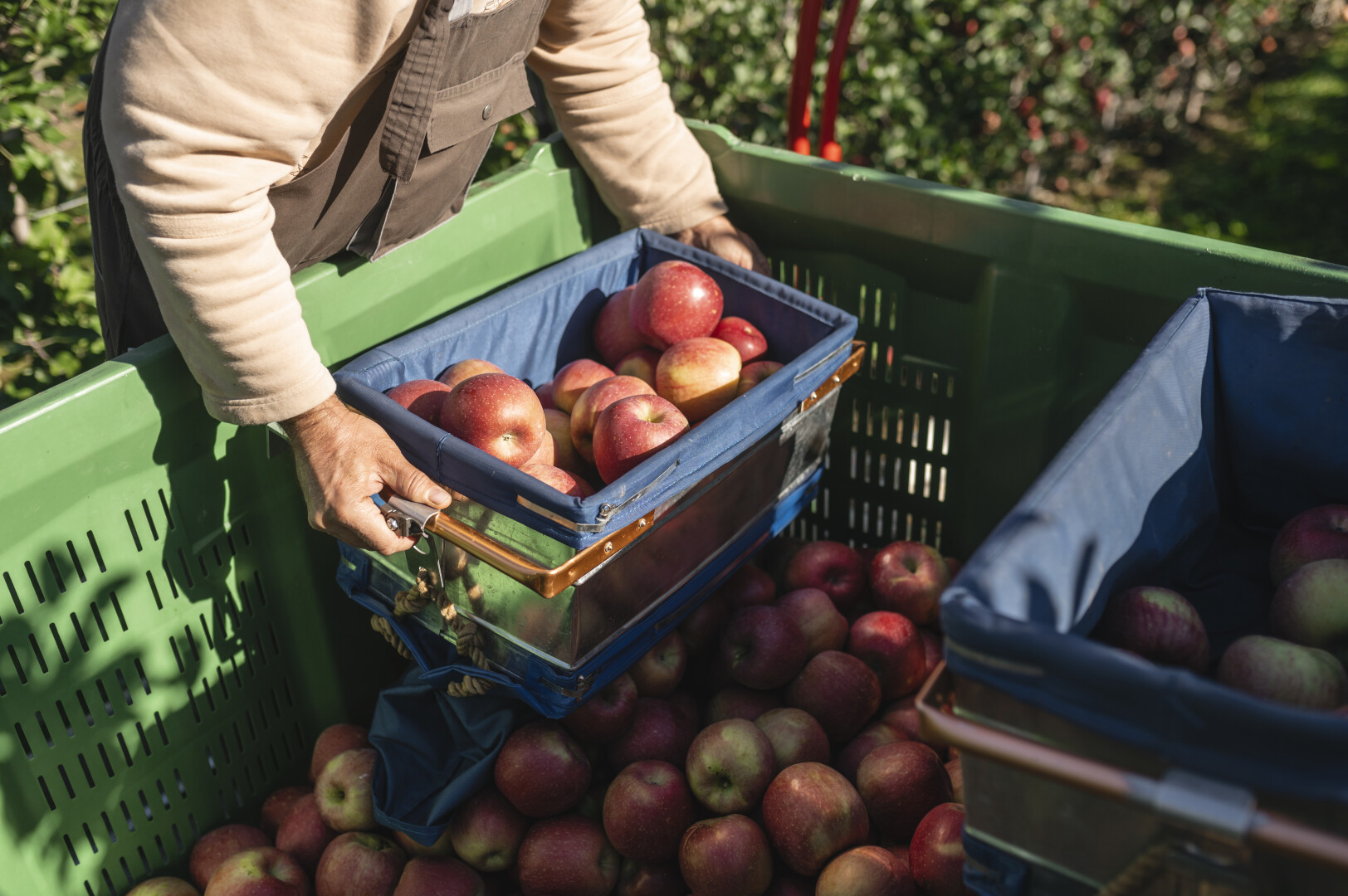
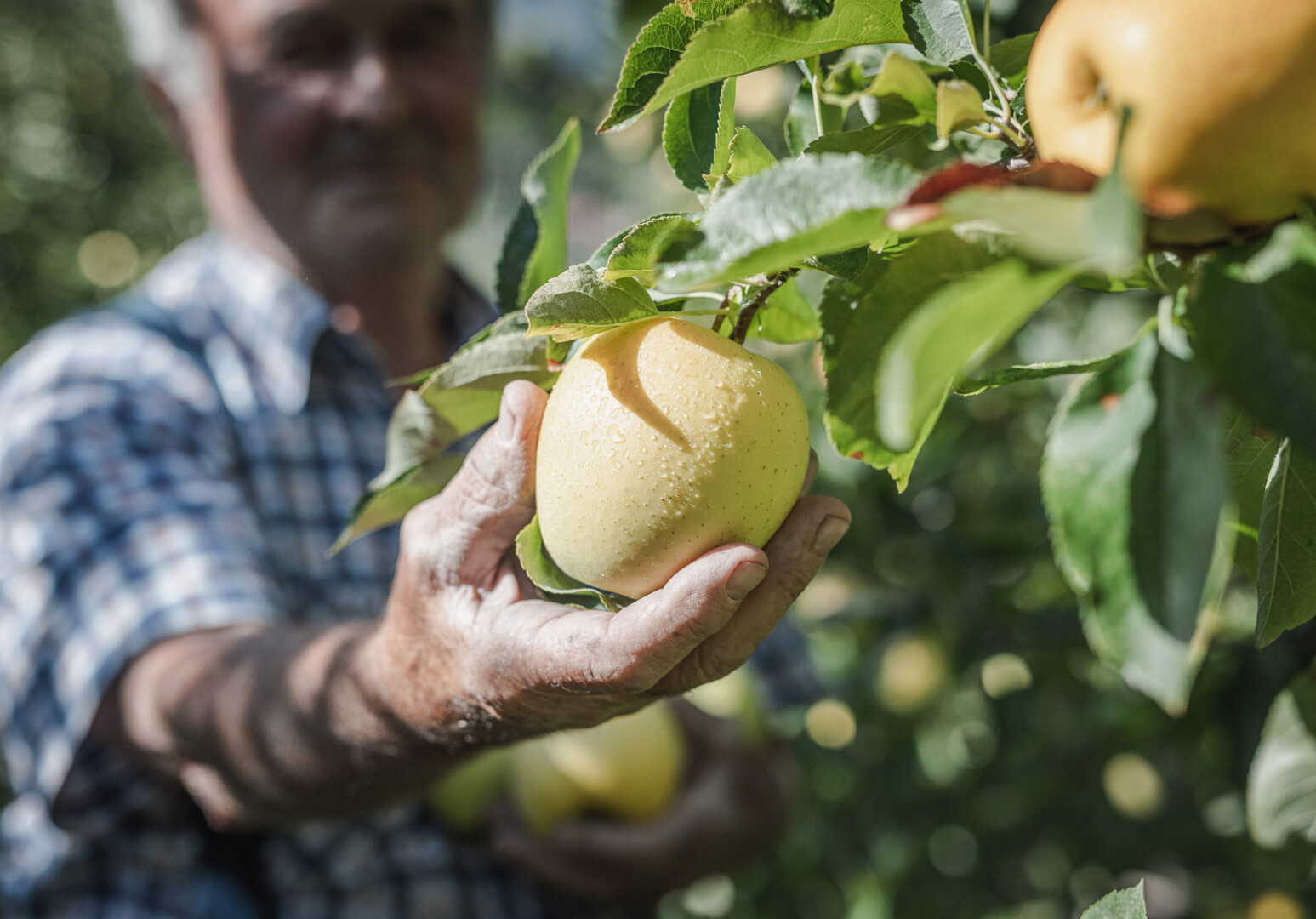
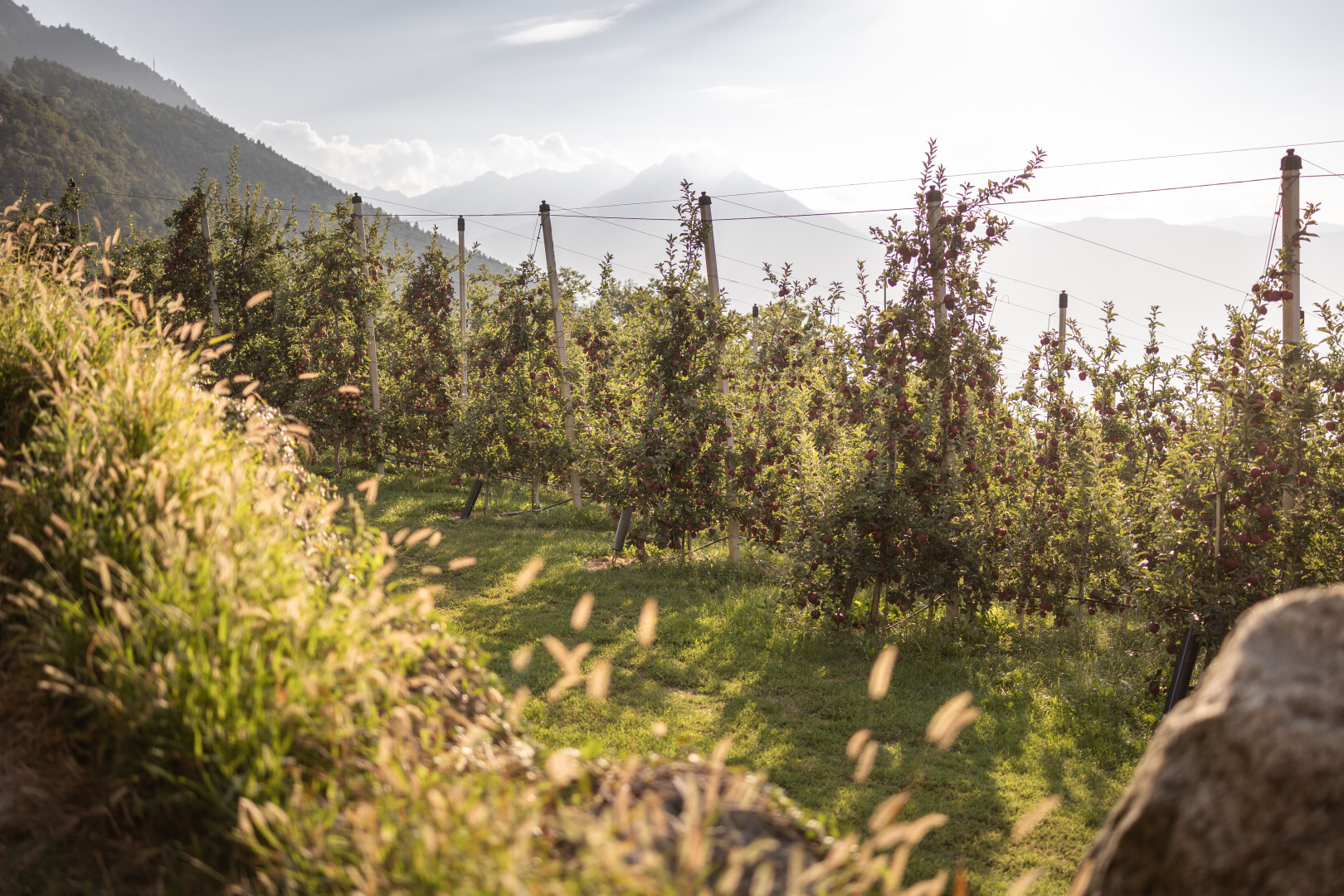
Interestingly, the fundamentals of forecasting haven’t really changed that much over the years. Many of our estimates still rely on counting and measuring fruit on the tree, coupled with the assessments of experienced advisors and growers. Although new technologies are being tested, they haven’t fully replaced these tried-and-true methods.
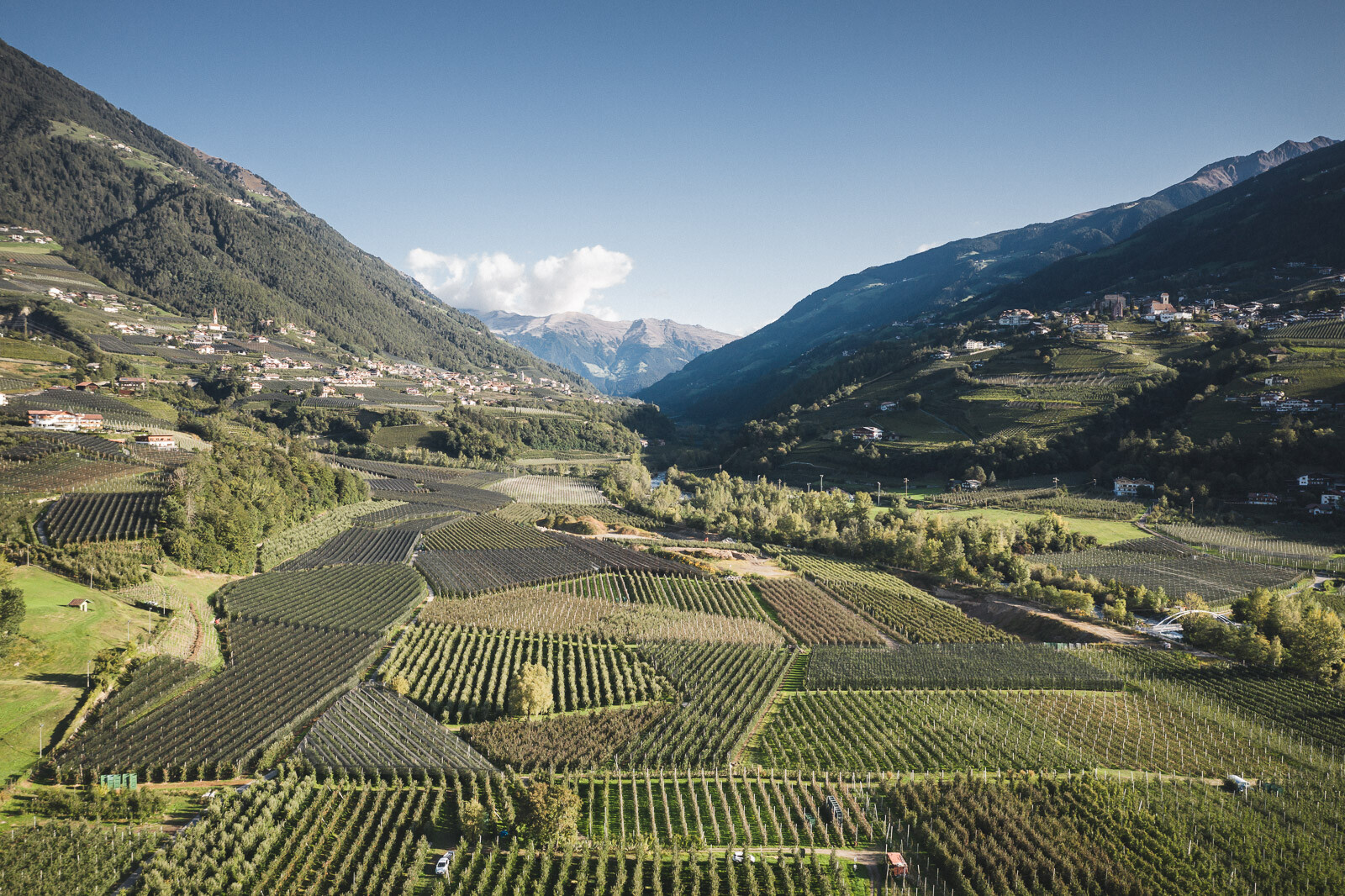
What has changed most of all is the scale of Prognosfruit’s coverage. Today, we receive harvest forecasts from nearly all major EU apple-growing regions, supplemented by data from other key areas in the Northern Hemisphere, such as the US, Turkey, and China.
Prognosfruit’s figures allow industry players to adapt early to changing market conditions and to make informed decisions. Every season brings its own unique circumstances: Are there still substantial stocks from last year’s harvest? Are overseas shipments piling up in ports? How big will Europe’s new crop be, and what is happening economically?
At the same time, it’s important to emphasize that Prognosfruit is not a crystal ball. Our numbers set the direction, but they can’t predict the final outcome. Weather events, changes in fruit quality, or shifting consumer demand can all shape how the season actually plays out.
I don’t think there is a particular number that is underestimated – it’s more the recognition that some things can’t be predicted. Today’s market players have a deep understanding of how the market works. Still, one factor remains particularly hard to pin down: consumer behavior. Last season made that abundantly clear. Even though there was plenty of fruit available across Europe and consumer prices in many places were lower than the previous year despite rising production costs, demand still didn’t meet expectations.
That’s why, when I’m analyzing the market, I look beyond just crop volumes and stock levels. The big question is always: How will consumers respond? And there just isn’t a formula for that.
I worked alongside Helwig for many years, and from June onwards every year, Prognosfruit became the main focus of my work. During that time, I was constantly in touch with producers and marketers, digging into market and consumer trends, following the development of new varieties and packaging concepts, monitoring the organic market, and keeping an eye on political and economic influences. The fascinating thing about this role is that the market never repeats itself – no two seasons are ever quite the same, even when conditions seem similar. It’s both challenging and rewarding to analyze these contexts and make sense of them. What’s new for me now is being able to present our results and predictions to the industry myself. I am grateful to have had Helwig Schwartau as such an excellent mentor along the way.
For me, there’s no doubt that climate change is making accurate forecasting much more difficult. We are facing more frequent extreme weather events, bigger swings in rainfall and temperature, and increasingly unpredictable weather patterns – all of which can impact both yield and fruit quality in a very short period. On top of that, the weather is also making the timing of flowering and harvests much more variable now.
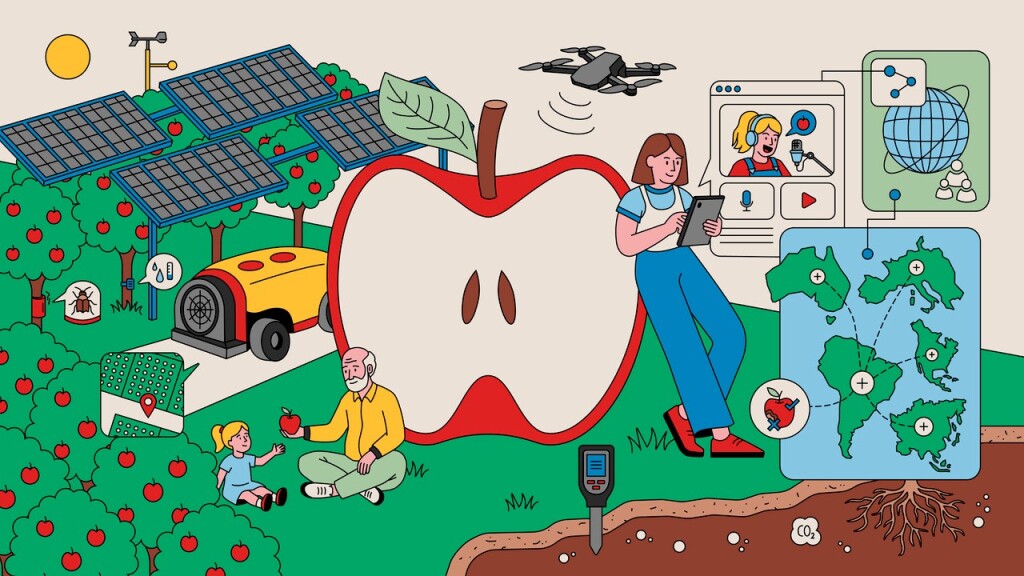
New tools like satellite imagery, remote sensing, AI, and real-time weather data can help us detect trends earlier and improve the accuracy of our forecasts. They can’t remove all the uncertainty, but they are giving us a much better foundation for our forecasts in today’s ever tougher conditions.
Climate change will remain a major driver, along with more stringent sustainability requirements, the availability of crop protection solutions, and evolving consumer preferences. At the same time, advances in digitalization and new technologies will play an increasingly important role – from more accurate forecasting to more efficient production processes. The biggest challenge will be finding the right balance between staying competitive, meeting sustainability targets, and fulfilling consumer expectations. After all, even the best apple isn’t worth anything if it doesn’t sell. Generation Z is emerging as a major consumer group with its own unique buying habits and fresh expectations for products, brands, and the way companies engage with them.
Text: Daniela Kahler
Images: Franziska Gilli