In the end, nature always finds its balance.
Foto Credits: Ivo Corrà
Invasive pests like the brown marmorated stink bug from East Asia can devastate entire crops. But researchers at the Laimburg Research Center are showing how natural enemies can keep these new arrivals in check.

In the end, nature always finds its balance.
Foto Credits: Ivo Corrà
The wasps focus almost exclusively on eggs of the target pest.
Nature has its share of bad actors. But an ecosystem plays by different rules than human society, with cheating, stealing, and killing all part of the game. The real problem comes from species that, without natural predators, run rampant and displace other species. For agriculture, these invasive pests can mean serious losses at harvest.
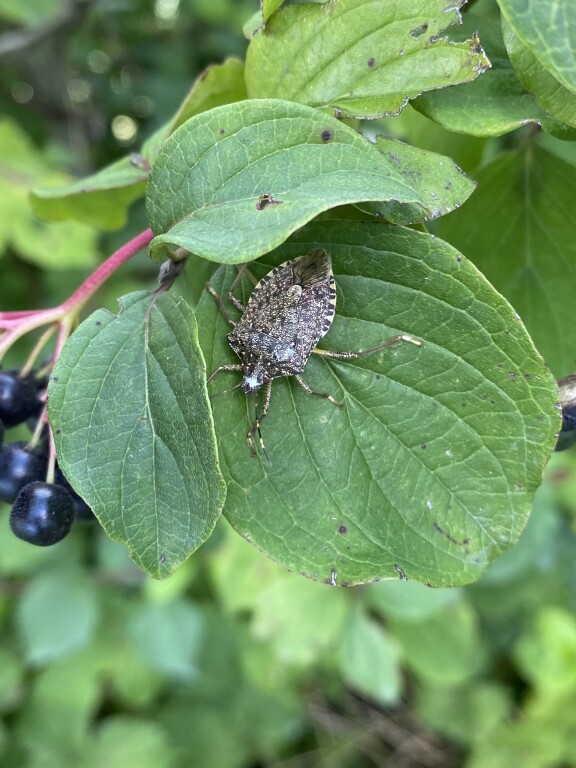
A prime example is the brown marmorated stink bug, Halyomorpha halys. It first hitched a ride from East Asia to North America on ships and shipping containers, then made its way to Europe in the 2000s. Using its piercing-sucking mouthparts, this bug feeds on apples, pears, peaches, and grapes, leaving distinctive blemishes and deformities on the fruit. It didn’t take long for farmers to nickname it a “devil bug.”
The first sightings in South Tyrol came in 2016, and just three years later, about 20 percent of crop damage at organic apple orchards and 10 percent in integrated production could be traced back to this new pest, especially at orchard borders.
Invasive species like the brown marmorated stink bug are tough to control, mainly because they attack so many different plants. Insect netting and pesticides are often ineffective against large populations. And these approaches aren’t sustainable in the long run, since they do little to shrink pest numbers over time.
That’s why a group of researchers at the Laimburg Research Center tried a different method. Between 2020 and 2023, they released samurai wasps – the brown marmorated stink bug’s natural enemy – at over 50 sites.
“Our aim was to restore natural balance by introducing these exotic beneficials,” explains entomologist Martina Falagiarda, who heads the project. The results speak for themselves: the brown marmorated stink bug population is now controlled, causing only around one percent of damage in apple orchards. It’s a textbook example of successful biological control.
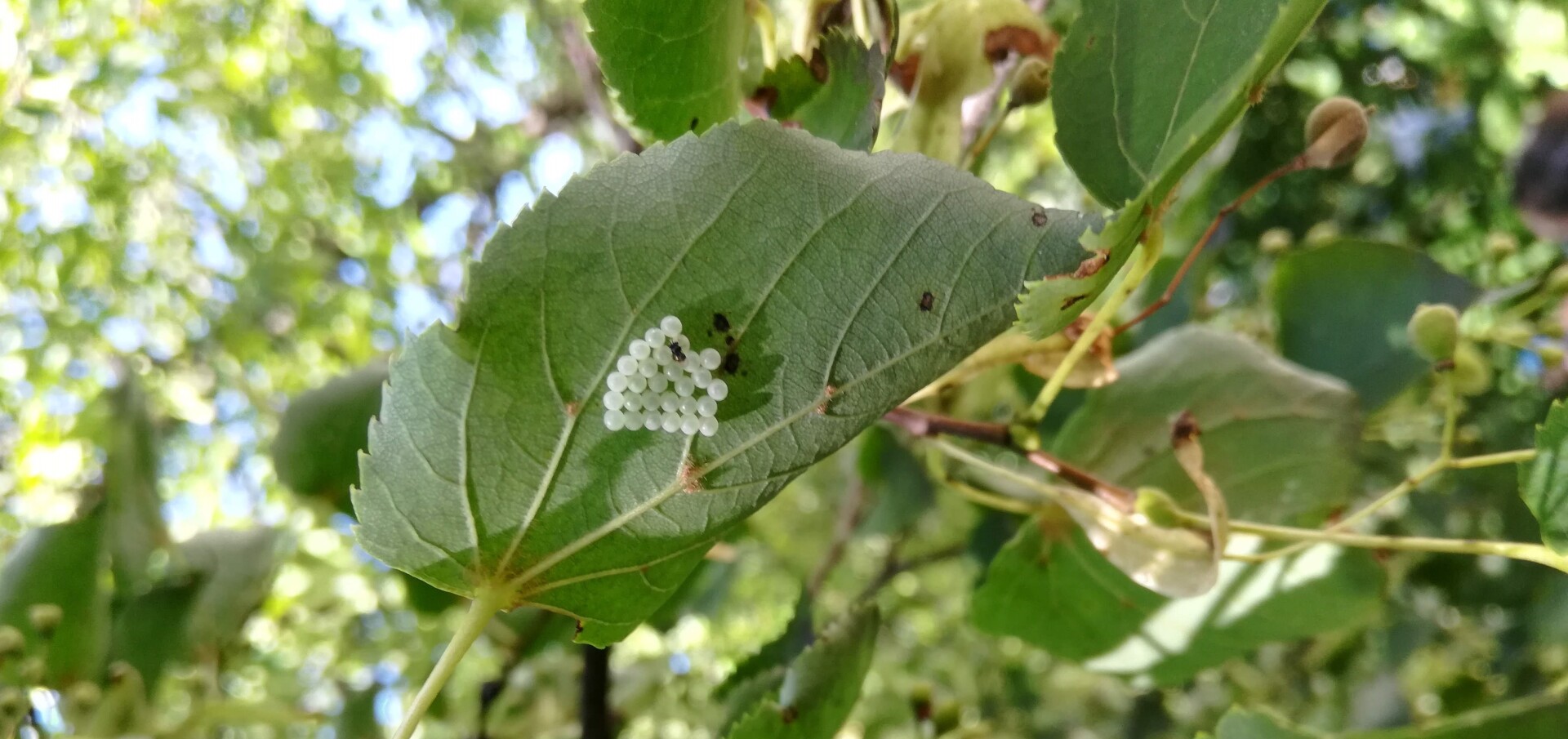
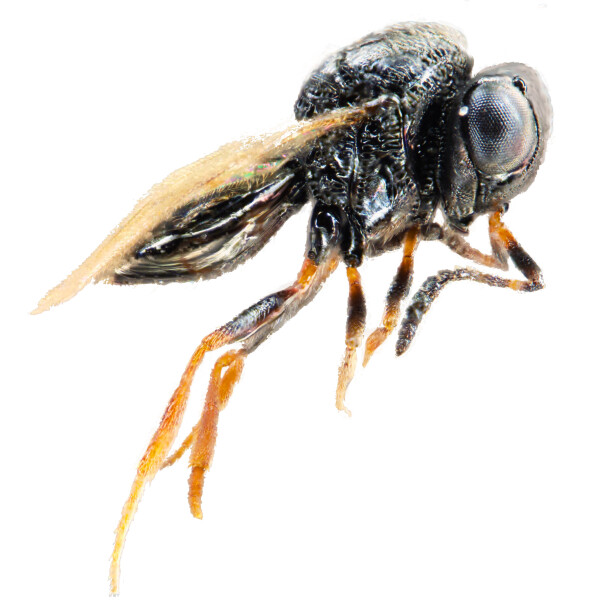
Natural enemies can be predators or parasitoids. The samurai wasp (Trissolcus japonicus), a parasitoid wasp from Asia, falls into the latter category. At just one to two millimeters long, it’s no match for a full-grown, 17 mm brown marmorated stink bug, but it doesn’t need to be. Instead, it targets the bug’s eggs, usually found in clusters of around 28 on the underside of leaves.
The wasp uses its antennae to tap on each individual egg to check its quality and then deposits its own egg inside with its ovipositor. The developing wasp larva kills the stink bug nymph. Sometimes, the samurai wasp will guard the parasitized eggs for several days to keep competitors away.
After just two weeks, it’s not stink bugs that hatch, but full-grown samurai wasps. That has a direct impact on the population of the brown marmorated stink bug, as the Laimburg project shows.
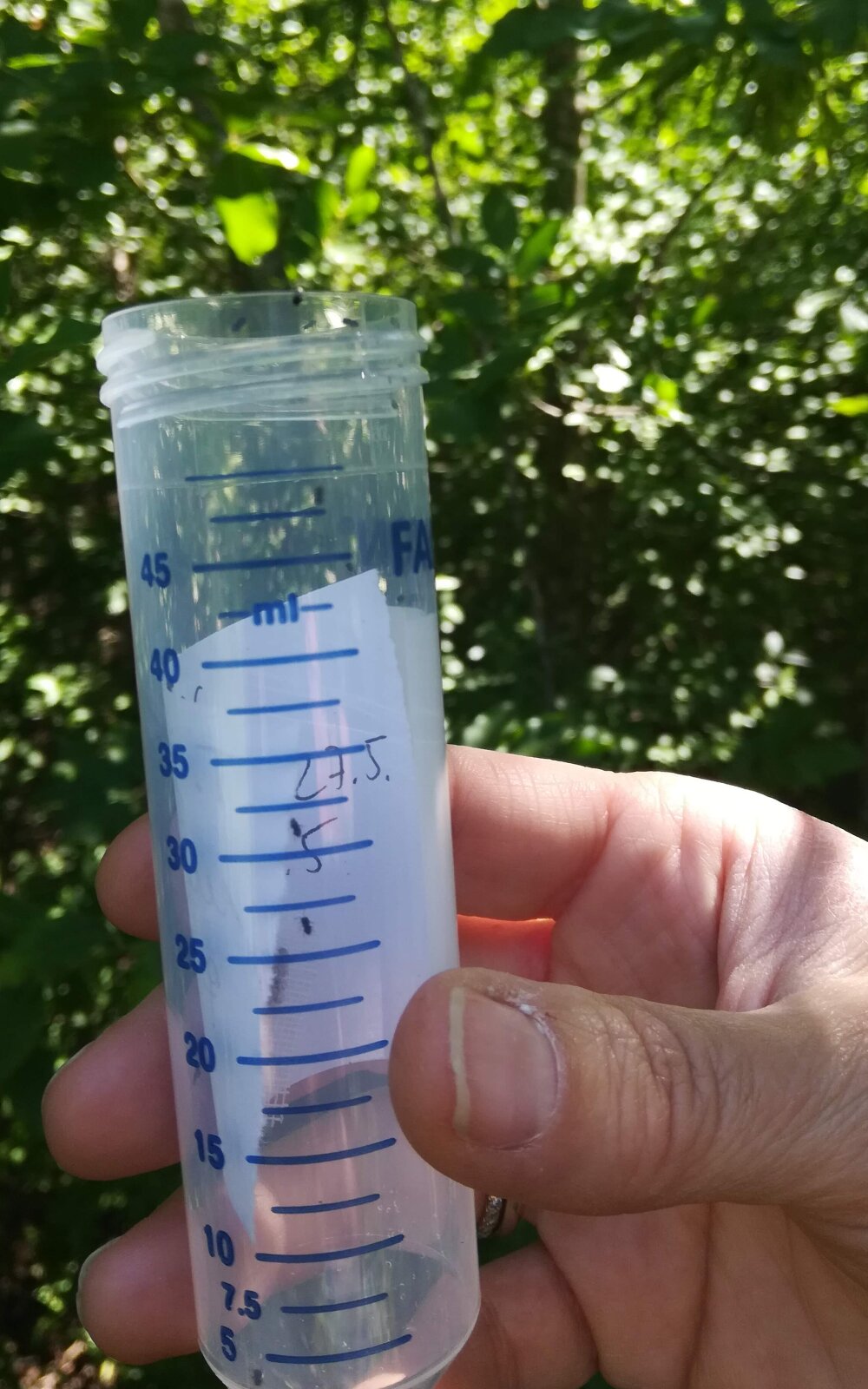
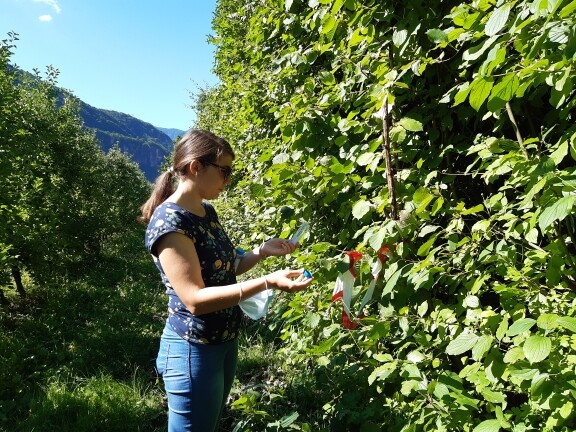
From May to October, Falagiarda and her team are out in South Tyrol’s fields, collecting and monitoring egg masses from different stink bug species. In 2023, the year of the final wasp release, they gathered nearly 340 clusters, containing around 8,750 brown marmorated stink bug eggs, and analyzed them back at the lab.
The findings are highly encouraging: on average, samurai wasps parasitized as many as 33% of the eggs collected, with rates reaching up to 70% at some sites. At the same time, stink bug hatch rates collapsed: from about 50% in 2020 to just 15% by 2024 and 2025. A native parasitic wasp played a role in this as well, but with a much lower success rate, only accounting for around 10% of parasitism.
Introducing exotic beneficials can be a highly effective way to manage pests, and the team is now trialing this method on other threats too. One current project at Laimburg is targeting the spotted wing drosophila, which causes heavy losses in crops such as stone fruit and berries. An Asian parasitoid is being deployed against this, too.
But releasing exotic beneficials isn’t without risk. In Italy, this crop protection method has only been permitted since 2020, and then only under strict conditions. The researchers are required to follow a national protocol, and releases have had to be approved annually by the environment ministry.
How does the presence of samurai wasps affect native stink bug species? This question is crucial, as exotic beneficials can sometimes become invasive themselves in the long term and disrupt local biodiversity.
The harlequin, or Asian, lady beetle is one such example. Introduced in Europe in the late 20th century as an effective natural predator for aphid control, it has since become widespread in parts of Germany and is suspected of outcompeting native insect species. In vineyards, it poses an additional problem: if the beetles find their way into grape must, they can ruin the taste of the wine.
Thankfully, Laimburg’s research gives the green light for the samurai wasp so far. “Our studies show that the wasps focus almost exclusively on eggs of the target pest. Native stink bug species were rarely parasitized,” says Falagiarda. Entomologists call this a “host-specific enemy” – a parasite that targets just the problem species and poses no risk to others.
Although there have been no new samurai wasp releases since 2023, Falagiarda and her team continue to monitor developments closely – at least through 2028. “We’re making excellent progress,” she says, summing up the results so far. The wasps have successfully overwintered and are now firmly established in many regions.
For Falagiarda, the most fascinating part of the work is seeing both the fragility and resilience of natural processes firsthand. “In the end, nature always finds its balance. Sooner or later, it sorts out the problem itself,” she says. Science has documented plenty of cases where a natural enemy follows on its own and eventually reins in an invasive pest. In the case of the brown marmorated stink bug, that would likely have happened in time – the researchers simply helped speed the process along.
Text: Teseo La Marca