Subscribe to our newsletter
With our free newsletter, you won't miss any news about Interpoma and the new ipoma Issue 04 Magazine.
An interdisciplinary team in northern Germany has developed the first-ever certified allergy-friendly apple varieties. Project coordinator and fruit-growing expert Werner Dierend of Osnabrück University of Applied Sciences shares the origins of these varieties – and some truly emotional moments along the way.
An apple allergy is the body’s immune response to the apple protein Mal d 1. The body recognizes it as a foreign substance and reacts with symptoms like tingling of the lips or palate or even swelling in the mouth.
It was the brainchild of a colleague on the research team. After attending a lecture by Professor Bergmann from Charité Berlin on allergen levels in heritage apple varieties, he wondered: if there are differences in allergen levels between varieties, then surely there must also be differences in our breeding material. So, we brought together the Technical University of Munich, the Niederelbe Breeding Initiative, and Charité, and submitted a proposal to the Federal Ministry of Food and Agriculture. Our contact at the ministry was allergic to apples himself, so he was all for the idea!
The project started in 2016. TU Munich created the analytical methods for determining the Mal d 1 allergen, Osnabrück University coordinated and managed the breeding material, and Charité conducted the clinical trials. In the first phase, we looked to see if there were parentals with progeny that consistently displayed low Mal d 1 levels, but we found no meaningful correlation. So, we focused on varieties in our breeding program that were already under consideration for market release – around 200. We re-analyzed these varieties to identify the ones with particularly low Mal d 1 levels. That’s how we ended up with ZIN 168 and ZIN 186, both of which have been marketed under the Pompur brand since fall 2025.
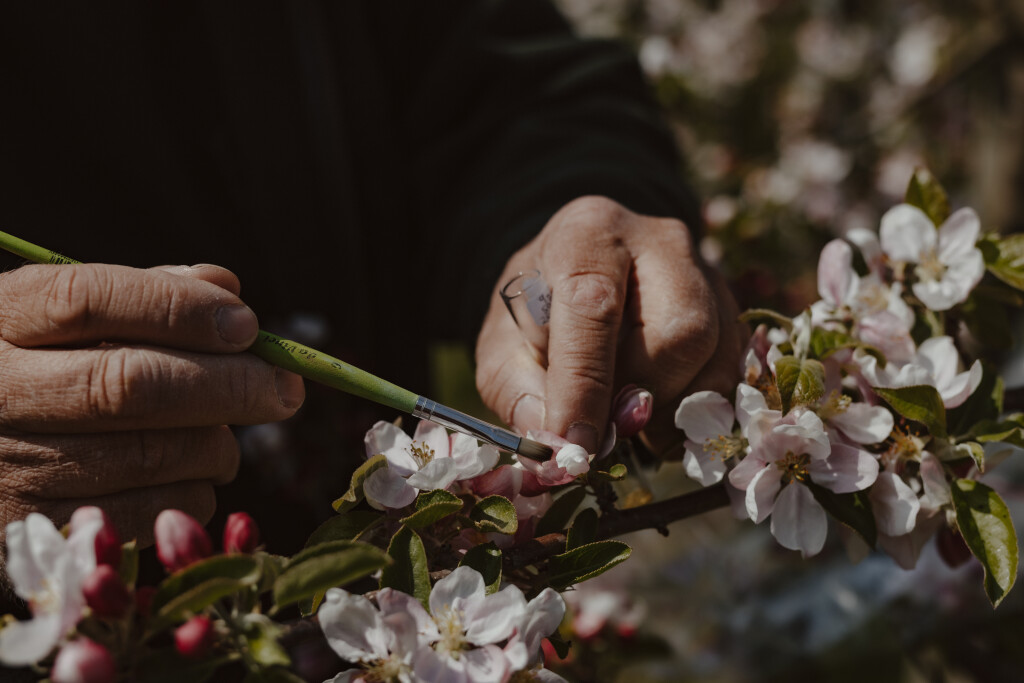
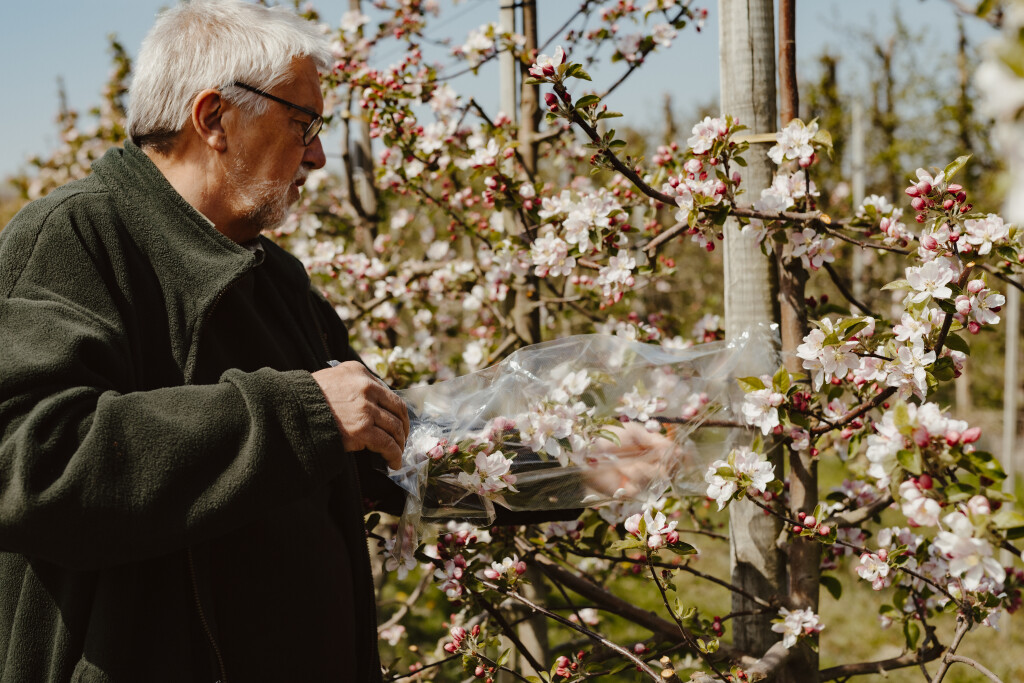
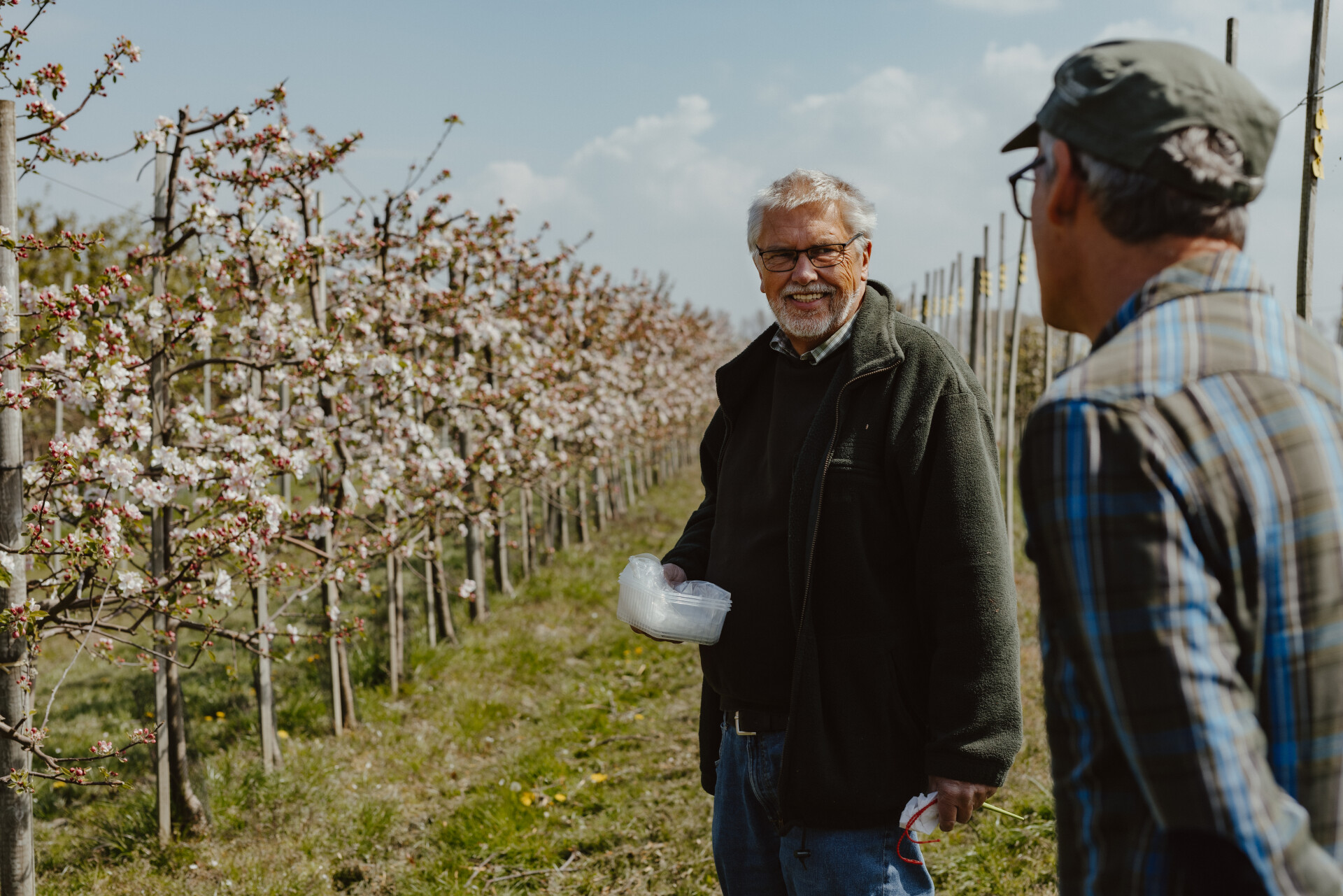
Charité was responsible for the clinical testing. They invited people with medically diagnosed apple allergies to actually eat the apples. This was a crucial stage, as it was only by running these clinical provocation tests that we could make truly robust statements: it became clear that low Mal d 1 content alone is not a guarantee of tolerance. But Professor Bergmann also reported on patients who could eat an apple without symptoms for the first time in 20 years – and literally shed tears of joy eating our clones. We’ve had this feedback several times since then.
So far, we haven’t seen any trade-offs in those areas. We find both high and low allergen levels across a wide range of genetic backgrounds.
For a long time, it was assumed that high polyphenol content meant better tolerability. I would question that, however. It is possible that individual flavonoids play a role, but we still don’t fully understand these relationships. It’s an area we are keen to explore further.
ZIN 168 is an attractive, crisp, and quite sweet variety that has been very well received. ZIN 186 is a little more acidic, which gives it a balanced, intensely aromatic profile – it’s firm and juicy. ZIN 168 is a bit more demanding in terms of storage, while ZIN 186 stores exceptionally well. Both apples were already promising commercial varieties: the allergy-friendliness was a bonus.
These varieties have been trialed at multiple sites and have performed well in northern Germany, but we expect them to do well in other apple-growing regions too.
A good variety isn’t enough on its own. You need partners who can successfully bring the apples to market. One of the big advantages of our breeders’ initiative is that growers, marketers, and retailers have been involved from the outset. Also, with a sensitive issue like allergy-friendliness, everything has to be done extremely carefully. These varieties are only sold pre-packed so there’s no risk of confusion with other apples. The messaging must be clear and foster consumer trust in the product.
Yes. Two years ago, around 300,000 trees were planted. Thanks to positive feedback in the first year on the market, the decision was made to roughly double that number. The trees will come into full production gradually. The roll-out is being taken step by step to ensure we build the necessary experience along the way.
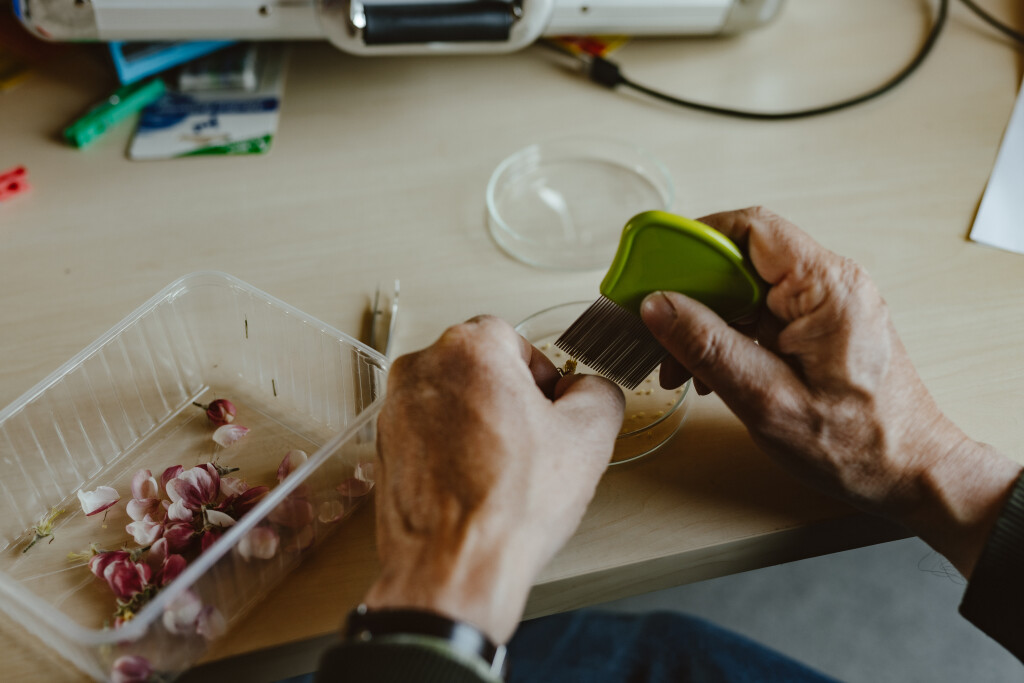
The certification process for apples was developed as part of our project. Together, we defined criteria for analysis, storage, and clinical testing. This meant we were able to deliver certification that is robustly underpinned by science.
The biggest challenge was the analysis. The Mal d 1 protein is extremely sensitive – especially to heat – which made the measurements much more complicated than we expected. On the positive side, the collaboration among all the partners was excellent. No single institution could have carried out this project alone.
I believe these niche markets will become increasingly important. At the same time, apple breeding remains something of a puzzle – you can plan for many things, but you also have to remain open to traits that only emerge during the breeding process. It’s often these discoveries that lead to the most exciting innovations.
Interview: Daniela Kahler
Photographs: Melina Mörsdorf
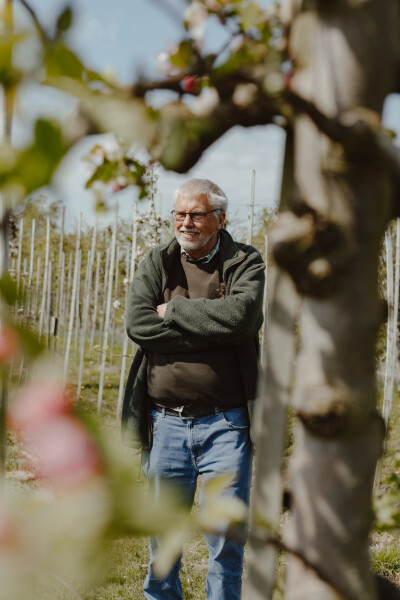
Werner Dierend is Professor of Fruit Science at Osnabrück University of Applied Sciences and leads the breeding program for the Niederelbe Breeding Initiative (ZIN). He has been developing new apple varieties for more than 20 years and coordinated the research project on allergy-friendly apples.