Subscribe to our newsletter
With our free newsletter, you won't miss any news about Interpoma and the new ipoma Issue 04 Magazine.
...that more than 6,000 Malus accessions are preserved in a gene bank in Geneva in the U.S. state of New York?
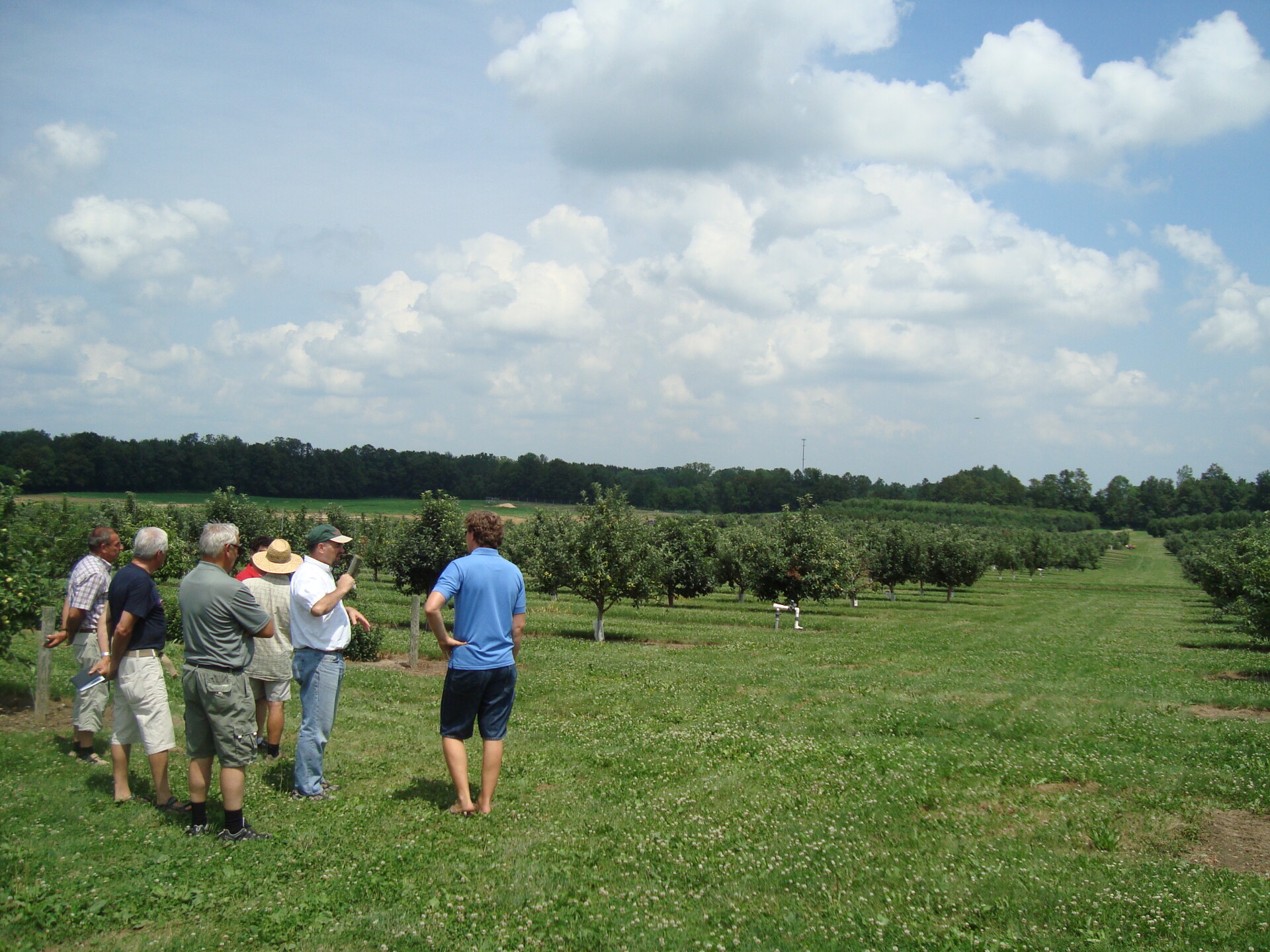
The collection, managed by the U.S. Department of Agriculture, includes about 4,500 field accessions and 1,600 seed accessions. Among them are roughly 1,400 Malus domestica accessions, as well as a wide range of wild apples and Malus hybrids, many from Asia and North America. The gene bank’s mission is to conserve, characterize, and make these genetic resources available for research and breeding.

The Geneva collection is one of the largest repositories of Malus genetic resources in the world. Across Europe, the EURISCO database documents more than 27,000 apple accessions, but these are spread across many different national collections.
Genebanks conserve plant genetic resources such as seeds, plant material and vegetatively propagated varieties. Each individual sample is known as an accession.
They safeguard the genetic diversity of crops, landraces, wild species and breeding material. This diversity is essential for research, conservation and the development of more resilient crop varieties.
In addition to the plant material itself, genebanks document origin, botanical classification and traits such as disease resistance, yield and adaptation to climate and growing conditions.
Seeds are often stored under controlled, low-temperature conditions. Fruit trees such as apples are also maintained in living collections because their characteristics cannot always be reliably preserved through seed propagation.
Many public genebanks make material and information available for research, education and plant breeding. The FAO International Treaty's Multilateral System supports regulated access to important food and agriculture crops.